
The Greatest Hip Hop DJs Ever?
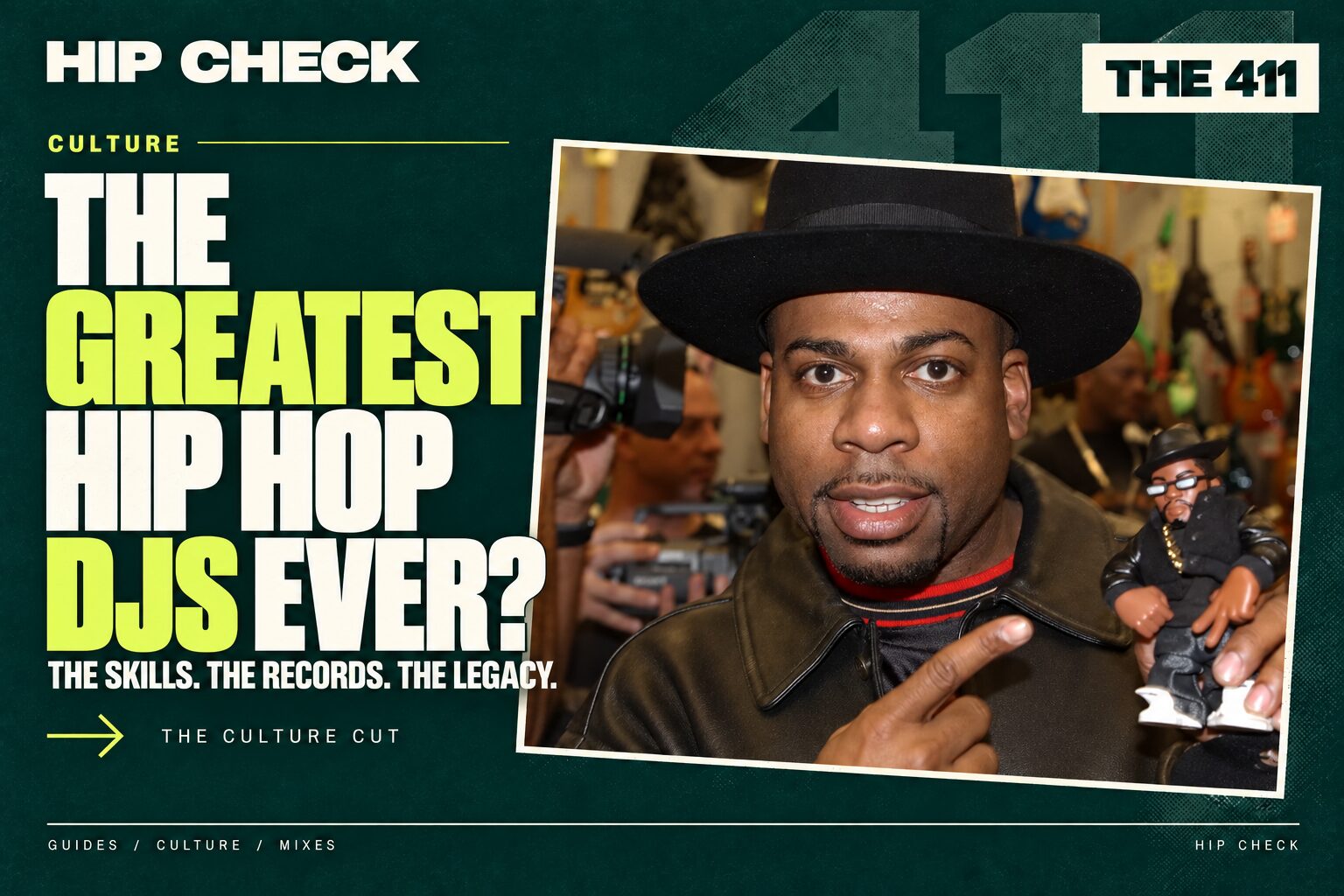
Who are the greatest hip-hop DJs of all time? Ask a battle DJ, a club resident and a rap historian and you may get three very different answers. One hears the cleanest cuts. Another remembers the night a selector held the whole room. The historian asks who changed what a DJ could do in the first place.
For Hip Check, greatness means a combination of innovation, musical identity, performance and lasting influence. These ten names make different cases for the title. This is an editorial shortlist, not a numbered league table: its order moves through ideas and generations rather than pretending that a party pioneer and a scratch specialist can be scored on the same scale.
We used XXL’s wider selection of 48 DJs as a starting point, then checked artist interviews, the Rock & Roll Hall of Fame, DMC’s championship records and archival research. The question mark stays. The debate is part of the fun.
What makes a great hip-hop DJ?
Four things matter here: introducing an idea others build on; having a recognisable musical voice; making technique serve a performance; and leaving something future DJs can learn. Record sales and follower counts alone cannot tell us that. Neither can a single difficult scratch.
For a working hip-hop, R&B or open-format DJ, the useful question is also practical: what can I take from this person into my own set?
DJ Kool Herc — the power of the break
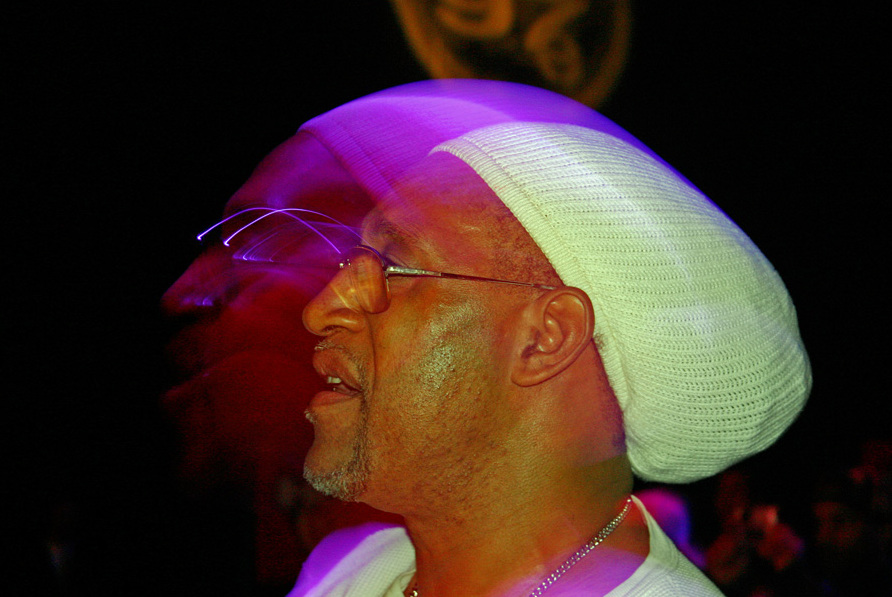
Herc belongs at the beginning of the conversation because he helped change the purpose of playing records. The Rock Hall’s profile places the Jamaican-born DJ at the foundations of hip-hop, connecting his Bronx parties with the practice of extending the instrumental breaks that excited dancers.
The important idea is bigger than a technique: notice the part of a record the room responds to, then make that moment central. Hip-hop DJing grew from active selection and manipulation, not simply presenting songs from start to finish.
Take it into your set: identify a genuinely useful break in three records you love. Work out whether extending it creates anticipation or just delays the next song. Let the dancers, rather than the waveform, guide the decision.
Grandmaster Flash — precision as a creative tool
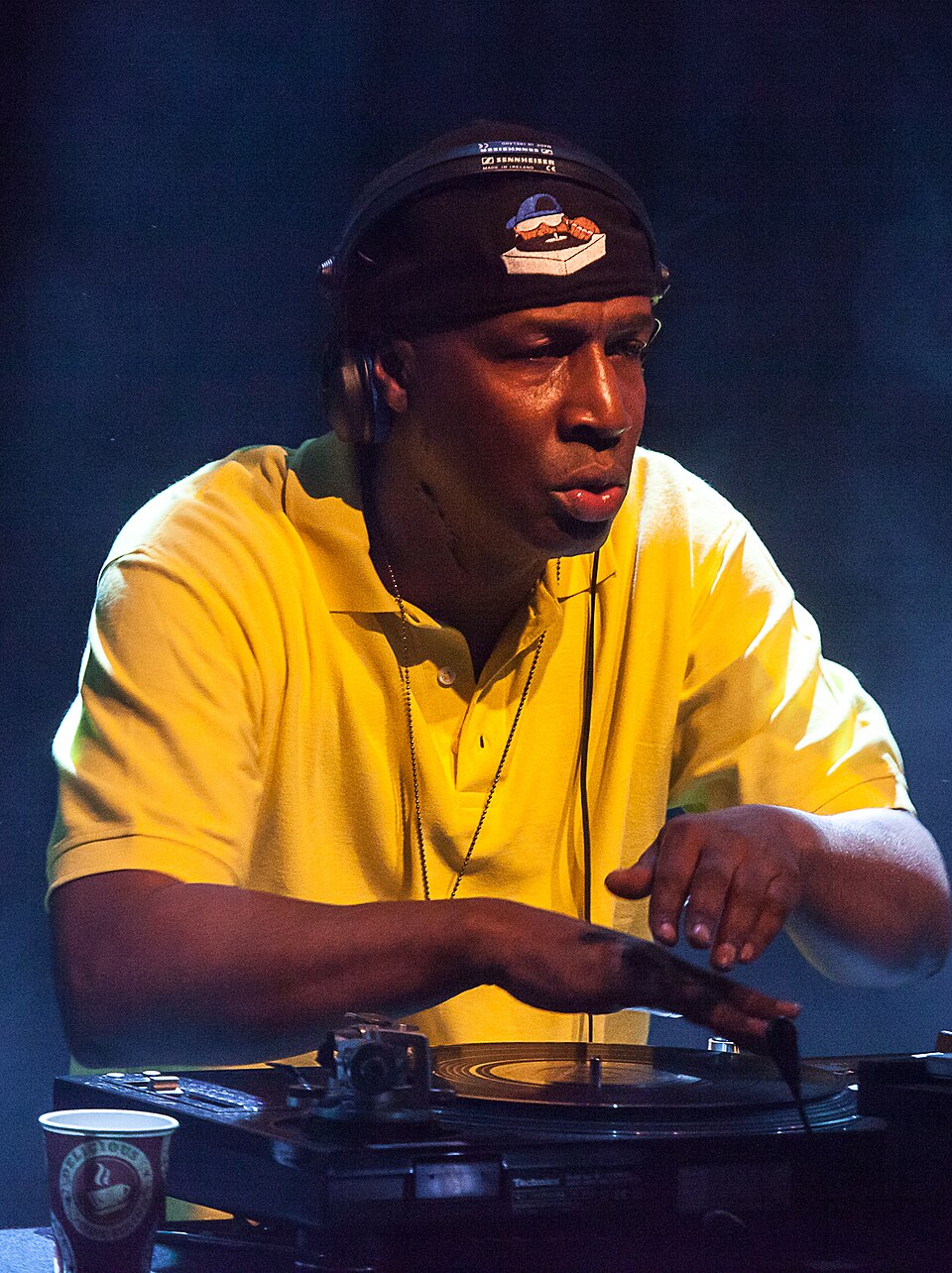
Flash made control over the record a defining part of the art. His official account of the Quik Mix Theory explains the importance he places on beat looping and manipulating vinyl as an instrument. The point is not just that he moved quickly: accurate cueing made it possible to restructure recorded music.
That distinction still matters on a controller. A fast transition which misses its musical entrance is less effective than a simple cut that lands exactly where it should.
Take it into your set: rehearse returning to the same downbeat without rushing. Then use that accuracy to repeat a phrase deliberately. For more context, hear Flash in his Fresh Air interview or watch his ABC News demonstration and book conversation.
Grand Wizzard Theodore — the scratch becomes a language
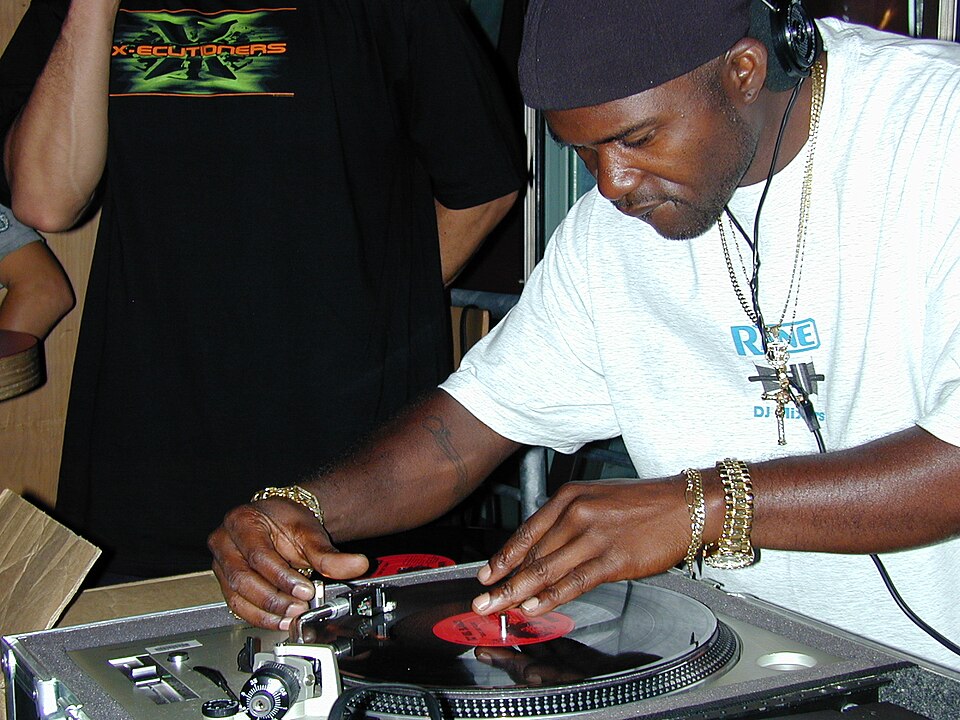
Theodore’s claim is foundational. NAMM’s oral history credits him with inventing the scratch and developing the needle drop. Its interview is a valuable place to hear the story through the musician rather than through a list of recycled legends.
Scratching lets a DJ change a recording’s rhythm, articulation and emphasis. The sound becomes something you play, rather than something you only play back. That is why Theodore matters even to DJs who rarely perform elaborate routines.
Take it into your set: practise a basic scratch as a short rhythmic answer to a drum phrase. Leave space around it. A clear, well-timed gesture can say more than a crowded burst of technique.
Jam Master Jay — the DJ at the centre of the group
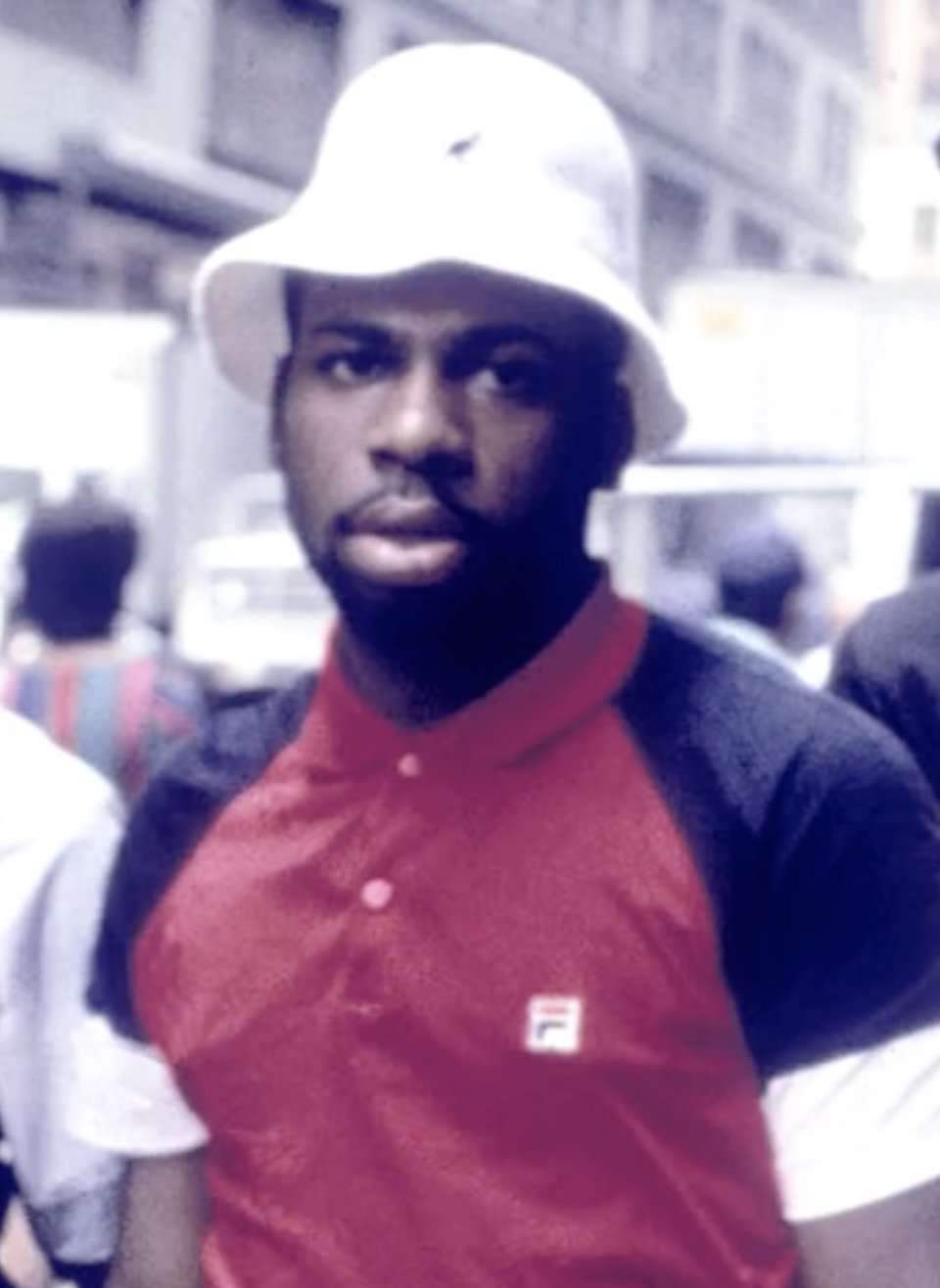
As Run-DMC’s DJ, Jam Master Jay showed how central the turntables could be to a rap group’s identity. The Rock Hall’s Run-DMC history describes a stripped-back sound built from drum machines, scratches and forceful vocals, with rock guitar helping the group reach new audiences.
For this shortlist, Jay represents the DJ as a band member: musical support, punctuation and stage presence belong together. Listen to “Jam-Master Jay” and “Peter Piper” with that relationship in mind. The turntable work is part of what makes the performance recognisable.
Take it into your set: when working with an MC, plan the spaces as carefully as the drops. Agree where a vocal needs room and where a cut or response can lift it. Your best moment may be the one that makes someone else sound stronger.
DJ Jazzy Jeff — the all-rounder’s case
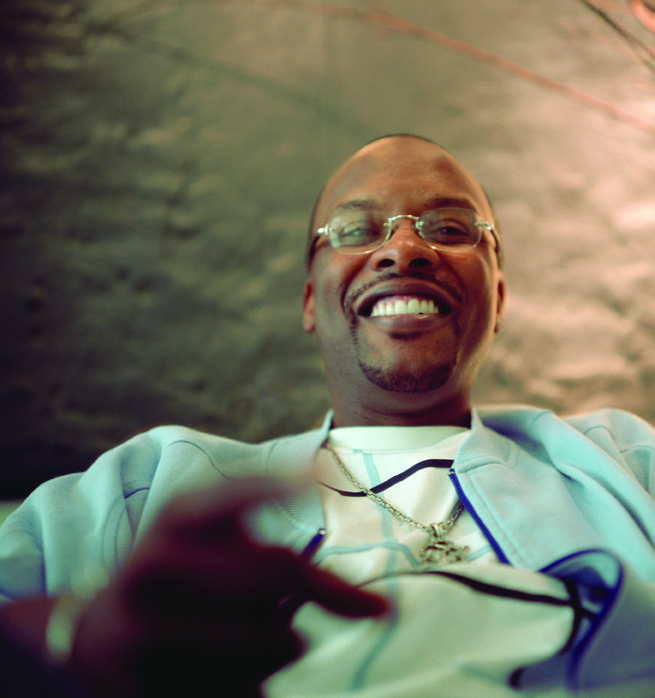
If the question is who a working open-format DJ should study first, Jazzy Jeff is our pick from this shortlist. That is an editorial judgement about breadth: selection, timing and turntable skill all belong in the same conversation.
Start with his official Boiler Room Philadelphia set, then explore the Serato Icon Artist feature. A long set offers a different kind of lesson from a short competition routine. Ask when the DJ allows a record to breathe, when a recognisable entrance does the work and when a technical flourish earns its place.
Take it into your set: record twenty minutes with only three or four planned technical moments. Listen back for the journey between them. Would the mix still work if nobody could see your hands?
DJ Premier — making the cut part of the composition
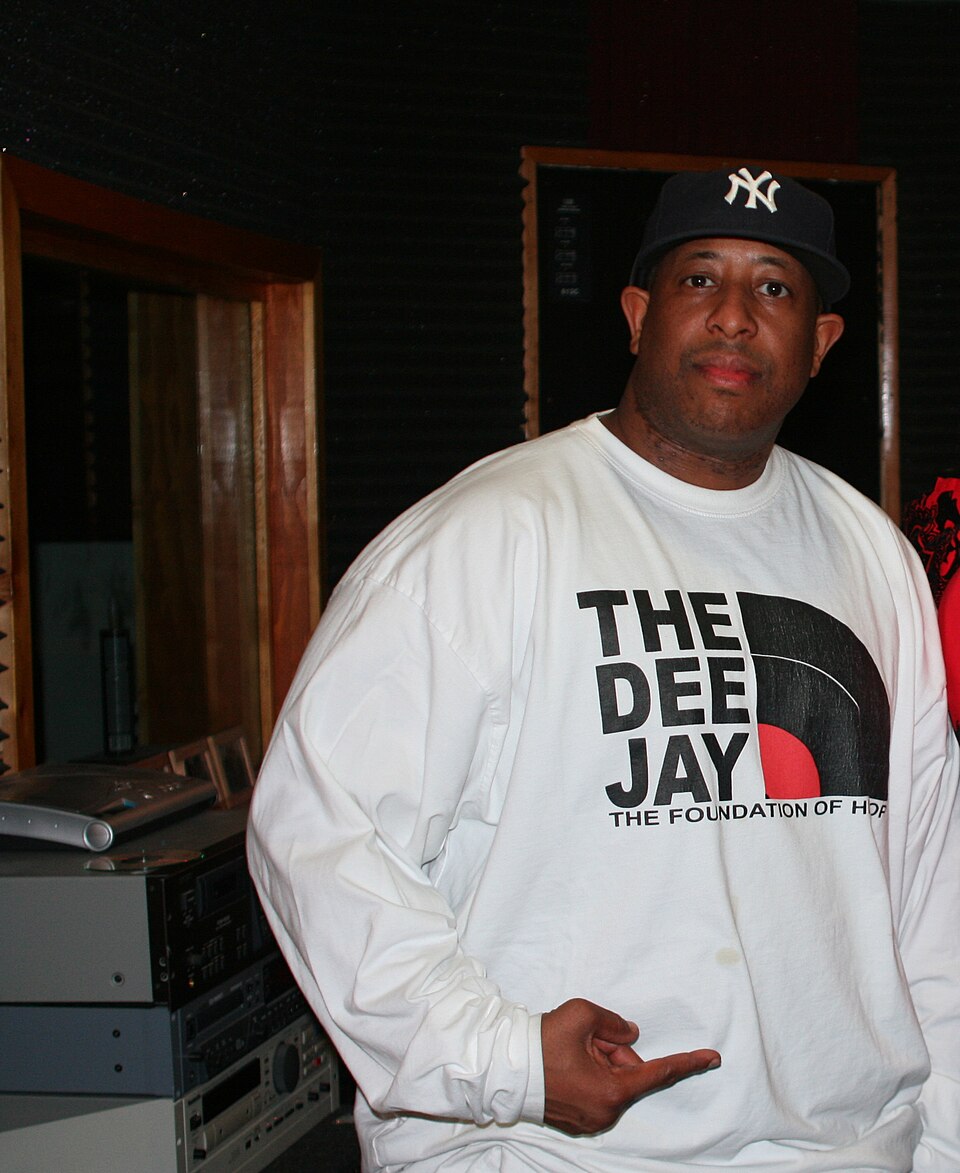
Premier’s reputation as a producer can obscure how strongly his musical identity is tied to DJ craft. His work with Gang Starr makes a compelling listening exercise in the relationship between beats, selected vocal fragments and scratches. Serato’s DJ Premier artist feature provides a further route into his approach.
His place here is about authorship. Choosing a fragment, placing it at the right moment and making it answer another sound can be a compositional decision. The DJ is not merely decorating a finished track.
Take it into your set: try a brief, clearly timed vocal response between two instrumental passages. Choose it for its musical or lyrical connection, not simply because the sample is famous. Keep competing full vocals apart.
DJ Qbert — the turntable as a lead instrument
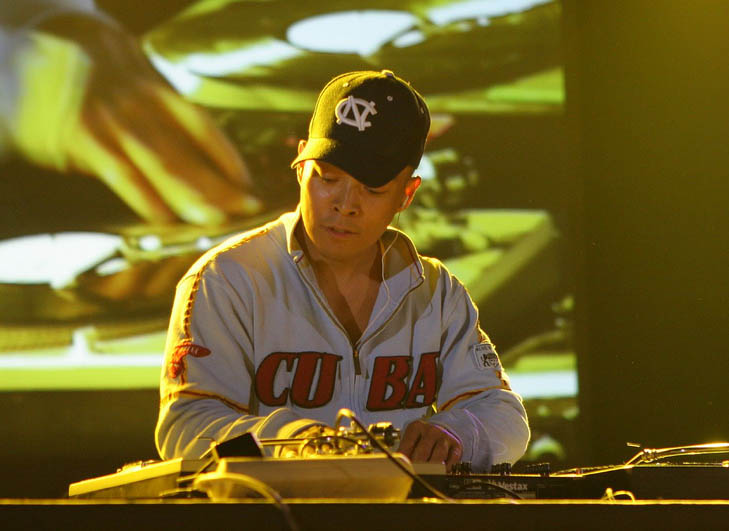
Qbert makes the case for scratching as expressive musicianship. In his DMC interview, he discusses studying both fellow DJs and instrumentalists, and describes the influence of local battles on his development. That helps explain why his significance cannot be reduced to a trophy count.
Listen for phrasing, contrasts and changes of texture. Speed can be impressive, but a passage becomes memorable when its sounds have shape. This is a useful way to approach turntablism even if you cannot yet reproduce the movements.
Take it into your set: build a short scratch phrase with a beginning, a response and an ending. Repeat it cleanly before making it faster. Treat silence as part of the phrase.
DJ Craze — battle skill with musical range
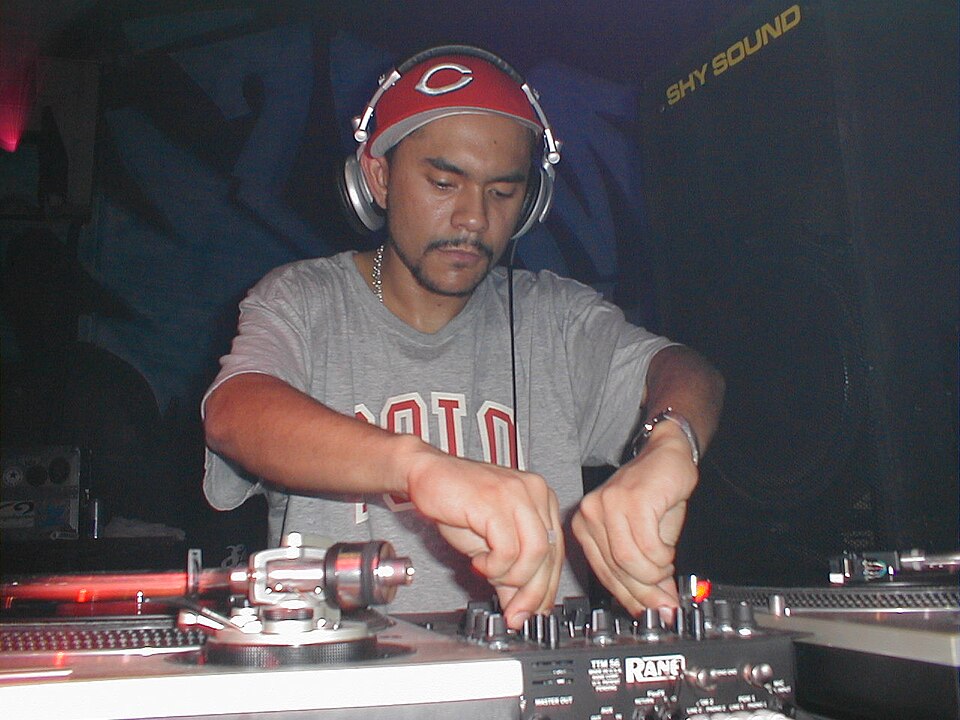
Craze’s record is unusually clear: DMC lists him as world champion in 1998, 1999 and 2000. Those three consecutive wins make him an essential name in any discussion of competitive turntablism. His DMC interview also gives a broader picture of a DJ working beyond a single musical lane.
Watch his 1999 winning routine, linked by DMC, and consider it as an arranged performance. The challenge is to make several ideas feel like one coherent statement.
Take it into your set: prepare a sixty-second routine with one main idea and a clear finish. Record it. If a trick interrupts the groove without improving the idea, remove it.
DJ Screw — a whole musical world from the decks
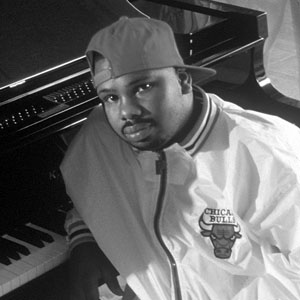
Screw’s claim comes from creating a distinctive way of hearing hip-hop. The University of Houston’s DJ Screw Collection documents his tapes, equipment and working methods, including slowed playback and repeated phrases. His sound was closely connected to Houston’s artists and listeners.
That makes him a vital counterpoint to the assumption that greatness always means greater speed. A DJ can change the emotional character of music through tempo, repetition and selection. The result can become a scene’s shared language.
Take it into your set: explore how a tempo change affects the weight of a groove and the character of a voice. Study the original context before reducing chopped and screwed music to a pitch effect. The university’s tour of Screw’s record collection is an excellent next stop.
Spinderella — keeping the DJ visible in the story
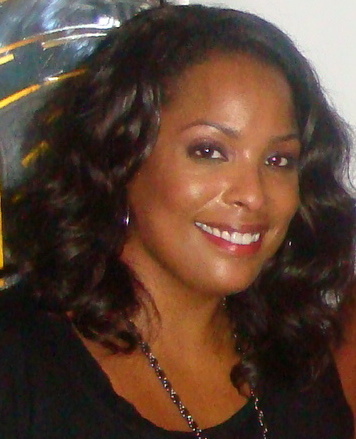
Spinderella belongs in this conversation for her place in Salt-N-Pepa’s performance identity and for reminding us that the DJ’s role does not disappear when the songs become crossover hits. A rap group’s success should make us more curious about its turntables, not less.
The official 2025 Rock Hall induction performance offers a useful viewing reference, with Spinderella’s turntable spotlight alongside the group’s songs. Pair it with the Rock Hall’s account of Salt-N-Pepa’s impact.
Take it into your set: think about how a brief DJ feature can connect two vocal-led moments. Give it a purpose and a clean exit. Visibility comes from making a musical contribution the audience can understand.
The conversation is bigger than ten names
A ten-name shortlist cannot represent every club, radio show, mixtape scene or battle circuit. It should send you towards more listening, not close the subject. XXL’s broader feature is useful for expanding the discussion into radio, mixtapes and party rocking.
The art also travelled far beyond its New York foundations. DMC’s official results include champions from Japan, France, Germany, Canada, New Zealand and the UK. Kentaro’s 2002 title and C2C’s four consecutive team titles from 2003 to 2006 offer two starting points for exploring that international history.
So, who gets your vote?
For foundations, start with Herc. For precision, study Flash. For scratch expression, explore Theodore and Qbert. For an all-round club-DJ education, our first stop is Jazzy Jeff. Jay and Spinderella show the DJ’s importance within a group; Premier, Craze and Screw demonstrate different ways to build a recognisable musical voice.
Choose one performance or interview from this article, listen without skipping, and take one idea into your next practice session. Then make your own shortlist. The strongest answer to “greatest ever?” should come with a reason—and something worth hearing.
Explore more DJ history, mixing advice and artist features in THE 411.
Editorial selection and practice suggestions by Hip Check. Historical claims are linked to their sources. Photographs are credited individually below each image; some source files are existing crops. No endorsement by the pictured artists is implied.